Business Name: BeeHive Homes of Portales
Address: 1420 S Main Ave, Portales, NM 88130
Phone: (505) 591-7025
BeeHive Homes of Portales
Beehive Homes of Portales assisted living is ideal for those who value their independence but require help with some of the activities of daily living. Residents enjoy 24-hour support, private bedrooms with baths, medication monitoring, home-cooked meals, housekeeping and laundry services, social activities and outings, and daily physical and mental exercise opportunities. Beehive Homes memory care services accommodates the growing number of seniors affected by memory loss and dementia. Beehive Homes offers respite (short-term) care for your loved one should the need arise. Whether help is needed after a surgery or illness, for vacation coverage, or just a break from the routine, respite care provides you peace of mind for any length of stay.
1420 S Main Ave, Portales, NM 88130
Business Hours
Monday thru Sunday: 9:00am to 5:00pm
TikTok: https://tiktok.com/@beehive.home.of.portales
YouTube: https://www.youtube.com/@WelcomeHomeBeeHiveHomes
Facebook: https://www.facebook.com/BeeHiveHomesOfPortales
Instagram: https://www.instagram.com/beehivehomesofportales/
Families often pertain to memory care after months, in some cases years, of concern at home. A father who roams at sunset. A mother whose arthritis makes stairs treacherous and whose judgment is slipping. A spouse who wants to be client but hasn't slept a complete night in weeks. Security ends up being the hinge that everything swings on. The goal is not to wrap individuals in cotton and eliminate all danger. The goal is to develop a location where people living with Alzheimer's or other dementias can cope with dignity, relocation easily, and remain as independent as possible without being harmed. Getting that balance right takes careful design, smart regimens, and personnel who can read a room the way a veteran nurse checks out a chart.
What "safe" means when memory is changing
Safety in memory care is multi-dimensional. It touches physical area, everyday rhythms, scientific oversight, emotional well-being, and social connection. A protected door matters, but so does a warm hello at 6 a.m. when a resident is awake and searching for the kitchen area they keep in mind. A fall alert sensor assists, but so does understanding that Mrs. H. is uneasy before lunch if she hasn't had a mid-morning walk. In assisted living settings that offer a dedicated memory care neighborhood, the best results originate from layering securities that minimize risk without eliminating choice.
I have actually walked into neighborhoods that shine but feel sterile. Residents there typically walk less, consume less, and speak less. I have actually also strolled into neighborhoods where the floors show scuffs, the garden gate is locked, and the personnel speak with locals like next-door neighbors. Those places are not best, yet they have far less injuries and much more laughter. Safety is as much culture as it is hardware.
Two core truths that assist safe design
First, individuals with dementia keep their instincts to move, look for, and check out. Wandering is not an issue to eradicate, it is a habits to redirect. Second, sensory input drives convenience. Light, noise, aroma, and temperature level shift how steady or agitated a person feels. When those two realities guide area preparation and day-to-day care, risks drop.
A corridor that loops back to the day space welcomes expedition without dead ends. A personal nook with a soft chair, a light, and a familiar quilt offers a distressed resident a landing location. Scents from a little baking program at 10 a.m. can settle a whole wing. On the other hand, a screeching alarm, a refined flooring that glares, or a crowded TV room can tilt the environment toward distress and accidents.
Lighting that follows the body's clock
Circadian lighting is more than a buzzword. For individuals coping with dementia, sunshine exposure early in the day helps regulate sleep. It enhances mood and can minimize sundowning, that late-afternoon period when agitation rises. Go for intense, indirect light in the early morning hours, preferably with real daylight from windows or skylights. Avoid severe overheads that cast tough shadows, which can appear like holes or barriers. In the late afternoon, soften the lighting to indicate evening and rest.
One community I dealt with replaced a bank of cool-white fluorescents with warm LED components and included an early morning walk by the windows that ignore the courtyard. The change was basic, the results were not. Locals started going to sleep closer to 9 p.m. and over night wandering reduced. Nobody added medication; the environment did the work.
Kitchen security without losing the convenience of food
Food is memory's anchor. The smell of coffee, the ritual of buttering toast, the noise of a pan on a range, these are grounding. In numerous memory care wings, the main industrial kitchen remains behind the scenes, which is suitable for security and sanitation. Yet a small, supervised family kitchen location in the dining room can be both safe and comforting. Think induction cooktops that remain cool to the touch, locked drawers for knives, and a dishwasher with auto-latch. Citizens can help blend eggs or roll cookie dough while personnel control heat sources.
Adaptive utensils and dishware decrease spills and frustration. High-contrast plates, either strong red or blue depending on what the menu appears like, can improve consumption for people with visual processing changes. Weighted cups help with tremors. Hydration stations with clear pitchers and cups at eye level promote drinking without a staff timely. Dehydration is one of the quiet dangers in senior living; it sneaks up and leads to confusion, falls, and infections. Making water noticeable, not simply offered, is a security intervention.
Behavior mapping and individualized care plans
Every resident arrives with a story. Previous professions, family roles, routines, and fears matter. A retired teacher might respond best to structured activities at predictable times. A night-shift nurse may look out at 4 a.m. and nap after lunch. Safest care honors those patterns instead of attempting to require everybody into a consistent schedule.
Behavior mapping is an easy tool: track when agitation spikes, when wandering boosts, when a resident declines care, and what precedes those moments. Over a week or 2, patterns emerge. Maybe the resident becomes frustrated when 2 personnel talk over them throughout a shower. Or the agitation starts after a late day nap. Change the regular, change the approach, and threat drops. The most experienced memory care groups do this instinctively. For newer teams, a white boards, a shared digital log, and a weekly huddle make it systematic.
Medication management intersects with behavior closely. Antipsychotics and sedatives can blunt distress in the short term, but they likewise increase fall threat and can cloud cognition. Good practice in elderly care prefers non-drug methods initially: music tailored to individual history, aromatherapy with familiar aromas, a walk, a snack, a quiet space. When medications are needed, the prescriber, nurse, and family should revisit the strategy regularly and aim for the lowest efficient dose.
Staffing ratios matter, however existence matters more
Families frequently request for a number: How many personnel per resident? Numbers are a beginning point, not a goal. A daytime ratio of one care partner to six or 8 residents is common in dedicated memory care settings, with higher staffing in the evenings when sundowning can occur. Night shifts might drop to one to 10 or twelve, supplemented by a roving nurse or med tech. But raw ratios can deceive. A proficient, constant team that knows citizens well will keep people more secure than a bigger however constantly altering group that does not.

Presence indicates personnel are where locals are. If everybody gathers near the activity table after lunch, a staff member need to exist, not in the office. If three locals prefer the quiet lounge, set up a chair for personnel because space, too. Visual scanning, soft engagement, and gentle redirection keep incidents from becoming emergency situations. I once viewed a care partner spot a resident who liked to pocket utensils. She handed him a basket of fabric napkins to fold instead. The hands remained busy, the threat evaporated.
Training is equally consequential. Memory care staff need to master strategies like positive physical technique, where you enter a person's space from the front with your hand used, or cued brushing for bathing. They ought to understand that repeating a concern is a look for reassurance, not a test of perseverance. They must understand when to go back to minimize escalation, and how to coach a family member to do the same.
Fall avoidance that appreciates mobility
The surest method to trigger deconditioning and more falls is to prevent walking. The much safer course is to make strolling simpler. That begins with shoes. Encourage families to bring sturdy, closed-back shoes with non-slip soles. Dissuade floppy slippers and high heels, no matter how beloved. Gait belts are useful for transfers, but they are not a leash, and citizens ought to never feel tethered.
Furniture must invite safe motion. Chairs with arms at the best height assistance homeowners stand separately. Low, soft couches that sink the hips make standing dangerous. Tables should be heavy enough that homeowners can not lean on them and slide them away. Hallways gain from visual hints: a landscape mural, a shadow box outside each space with personal photos, a color accent at room doors. Those cues lower confusion, which in turn reduces pacing and the rushing that leads to falls.
Assistive innovation can assist when picked thoughtfully. Passive bed sensors that alert personnel when a high-fall-risk resident is getting up reduce injuries, especially in the evening. Motion-activated lights under the bed guide a safe path to the bathroom. Wearable pendants are an option, however many individuals with dementia eliminate them or forget to push. Technology should never replacement for human presence, it should back it up.
Secure perimeters and the principles of freedom
Elopement, when a resident exits a safe location undetected, is among the most feared events in senior care. The reaction in memory care is safe borders: keypad exits, postponed egress doors, fence-enclosed yards, and sensor-based alarms. These functions are justified when used to prevent danger, not limit for convenience.
The ethical concern is how to maintain liberty within essential borders. Part of the response is scale. If the memory care community is big enough for citizens to walk, discover a peaceful corner, or circle a garden, the constraint of the external boundary feels less like confinement. Another part is function. Deal reasons to remain: a schedule of meaningful activities, spontaneous chats, familiar tasks like sorting mail or setting tables, and disorganized time with safe things to tinker with. Individuals walk towards interest and far from boredom.
Family education assists here. A boy might balk at a keypad, remembering his father as a Navy officer who could go anywhere. A respectful discussion about danger, and an invitation to sign up with a yard walk, typically shifts the frame. Freedom includes the liberty to walk without fear of traffic or getting lost, and that is what a safe boundary provides.
Infection control that does not eliminate home
The pandemic years taught tough lessons. Infection control belongs to security, but a sterilized environment damages cognition and mood. Balance is possible. Use soap and warm water over consistent alcohol sanitizer in high-touch locations, due to the fact that split hands make care undesirable. Pick wipeable chair arms and table surface areas, however prevent plastic covers that squeak and stick. Keep ventilation and use portable HEPA filters quietly. Teach staff to wear masks when shown without turning their faces into blank slates. A smile in the eyes, a name badge with a large photo, and the habit of stating your name initially keeps warmth in the room.
Laundry is a quiet vector. Locals often touch, sniff, and carry clothes and linens, especially items with strong individual associations. Label clothing clearly, wash consistently at proper temperature levels, and deal with soiled items with gloves however without drama. Peace is contagious.
Emergencies: planning for the uncommon day
Most days in a memory care neighborhood follow predictable rhythms. The uncommon days test preparation. A power failure, a burst pipe, a wildfire evacuation, or a severe snowstorm can turn security upside down. Neighborhoods must keep composed, practiced plans that account for cognitive problems. That includes go-bags with basic products for each resident, portable medical information cards, a personnel phone tree, and developed mutual aid with sibling neighborhoods or regional assisted living partners. Practice matters. A once-a-year drill that actually moves locals, even if only to the yard or to a bus, reveals gaps and constructs muscle memory.
Pain management is another emergency situation in sluggish movement. Unattended discomfort presents as agitation, calling out, resisting care, or withdrawing. For people who can not name their pain, personnel must utilize observational tools and know the resident's standard. A hip fracture can follow a week of pained, hurried strolling that everyone mistook for "uneasyness." Safe neighborhoods take discomfort seriously and escalate early.
Family collaboration that enhances safety
Families bring history and insight no evaluation form can record. A child might understand that her mother hums hymns when she is content, or that her father unwinds with the feel of a newspaper even if he no longer reads it. Invite households to share these information. Develop a short, living profile for each resident: chosen name, hobbies, previous occupation, favorite foods, activates to prevent, soothing regimens. Keep it at the point of care, not buried in a chart.
Visitation policies should support participation without frustrating the environment. Motivate family to sign up with a meal, to take a courtyard walk, or to assist with a favorite job. Coach them on method: welcome slowly, keep sentences simple, prevent quizzing memory. When households mirror the personnel's techniques, locals feel a constant world, and safety follows.
Respite care as an action towards the best fit
Not every household is ready for a full transition to senior living. Respite care, a short remain in a memory care program, can give caretakers a much-needed break and provide a trial period for the resident. Throughout respite, personnel discover the person's rhythms, medications can be evaluated, and the household can observe whether the environment feels right. I have actually seen a three-week respite reveal that a resident who never took a snooze in the house sleeps deeply after lunch in the neighborhood, just due to the fact that the morning consisted of a safe walk, a group activity, and a balanced meal.
For families on the fence, respite care reduces the stakes and the stress. It also surface areas practical concerns: How does the community deal with bathroom hints? Are there adequate peaceful areas? What does the late afternoon look like? Those are security concerns in disguise.
Dementia-friendly activities that decrease risk
Activities are not filler. They are a main safety method. A calendar packed with crafts but absent movement is a fall risk later senior care in the day. A schedule that alternates seated and standing tasks, that includes purposeful tasks, which appreciates attention period is safer. Music programs are worthy of unique mention. Years of research study and lived experience show that familiar music can reduce agitation, improve gait consistency, and lift mood. A basic ten-minute playlist before a tough care minute like a shower can change everything.
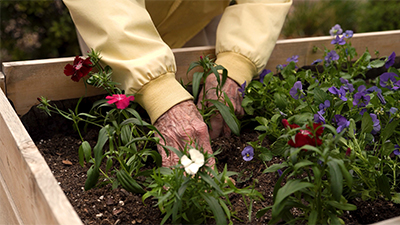
For locals with advanced dementia, sensory-based activities work best. A basket with fabric examples, a box of smooth stones, a warm towel from a small towel warmer, these are calming and safe. For locals previously in their illness, directed strolls, light stretching, and basic cooking or gardening supply significance and motion. Security appears when people are engaged, not only when hazards are removed.

The function of assisted living and when memory care is necessary
Many assisted living neighborhoods support residents with mild cognitive disability or early dementia within a broader population. With great staff training and ecological tweaks, this can work well for a time. Signs that a dedicated memory care setting is much safer include consistent wandering, exit-seeking, inability to use a call system, regular nighttime wakefulness, or resistance to care that intensifies. In a mixed-setting assisted living environment, those requirements can extend the personnel thin and leave the resident at risk.
Memory care communities are developed for these realities. They usually have secured gain access to, higher staffing ratios, and areas customized for cueing and de-escalation. The decision to move is seldom simple, but when safety becomes an everyday issue at home or in basic assisted living, a shift to memory care typically restores balance. Households frequently report a paradox: once the environment is more secure, they can return to being partner or kid instead of full-time guard. Relationships soften, and that is a kind of safety too.
When threat becomes part of dignity
No neighborhood can get rid of all risk, nor needs to it try. No risk frequently suggests absolutely no autonomy. A resident may wish to water plants, which brings a slip risk. Another may insist on shaving himself, which carries a nick threat. These are acceptable dangers when supported attentively. The doctrine of "dignity of threat" acknowledges that grownups maintain the right to make choices that carry repercussions. In memory care, the group's work is to comprehend the individual's values, involve family, put sensible safeguards in place, and display closely.
I remember Mr. B., a carpenter who loved tools. He would gravitate to any drawer pull or loose screw in the structure. The knee-jerk reaction was to remove all tools from his reach. Rather, staff developed a monitored "workbench" with sanded wood blocks, a hand drill with the bit got rid of, and a tray of washers and bolts that could be screwed onto an installed plate. He invested delighted hours there, and his desire to dismantle the dining-room chairs disappeared. Threat, reframed, ended up being safety.
Practical indications of a safe memory care community
When touring communities for senior care, look beyond sales brochures. Spend an hour, or 2 if you can. Notice how staff speak to residents. Do they crouch to eye level, use names, and wait on actions? Enjoy traffic patterns. Are homeowners gathered and engaged, or wandering with little direction? Glimpse into bathrooms for grab bars, into hallways for hand rails, into the courtyard for shade and seating. Sniff the air. Tidy does not smell like bleach all the time. Ask how they handle a resident who attempts to leave or declines a shower. Listen for respectful, specific answers.
A couple of concise checks can help:
- Ask about how they minimize falls without minimizing walking. Listen for information on floor covering, lighting, shoes, and supervision. Ask what happens at 4 p.m. If they describe a rhythm of soothing activities, softer lighting, and staffing existence, they comprehend sundowning. Ask about personnel training specific to dementia and how frequently it is revitalized. Annual check-the-box is not enough; look for ongoing coaching. Ask for examples of how they customized care to a resident's history. Specific stories signal genuine person-centered practice. Ask how they interact with families daily. Portals and newsletters assist, but fast texts or calls after significant occasions develop trust.
These concerns reveal whether policies reside in practice.
The quiet facilities: documentation, audits, and constant improvement
Safety is a living system, not a one-time setup. Neighborhoods ought to examine falls and near misses, not to designate blame, but to discover. Were call lights addressed without delay? Was the flooring wet? Did the resident's shoes fit? Did lighting modification with the seasons? Existed staffing gaps throughout shift change? A brief, focused evaluation after an occurrence often produces a little fix that avoids the next one.
Care strategies should breathe. After a urinary tract infection, a resident might be more frail for several weeks. After a family visit that stirred feelings, sleep might be interfered with. Weekly or biweekly team huddles keep the plan present. The very best teams record small observations: "Mr. S. drank more when provided warm lemon water," or "Ms. L. steadied much better with the green walker than the red one." Those information build up into safety.
Regulation can help when it requires meaningful practices rather than documents. State guidelines vary, but the majority of require protected perimeters to satisfy particular requirements, personnel to be trained in dementia care, and event reporting. Neighborhoods need to meet or surpass these, but families must also assess the intangibles: the steadiness in the building, the ease in locals' faces, the way staff move without rushing.
Cost, worth, and tough choices
Memory care is costly. Depending on area, regular monthly expenses range extensively, with private suites in metropolitan locations often significantly greater than shared spaces in smaller sized markets. Families weigh this versus the expense of hiring in-home care, modifying a house, and the personal toll on caregivers. Safety gains in a well-run memory care program can reduce hospitalizations, which bring their own costs and dangers for senior citizens. Avoiding one hip fracture prevents surgical treatment, rehab, and a cascade of decline. Avoiding one medication-induced fall preserves mobility. These are unglamorous cost savings, however they are real.
Communities often layer prices for care levels. Ask what triggers a shift to a greater level, how roaming habits are billed, and what happens if two-person assistance ends up being required. Clearness prevents difficult surprises. If funds are limited, respite care or adult day programs can postpone full-time positioning and still bring structure and security a few days a week. Some assisted living settings have monetary therapists who can help families explore advantages or long-lasting care insurance policies.
The heart of safe memory care
Safety is not a checklist. It is the feeling a resident has when they grab a hand and discover it, the predictability of a favorite chair near the window, the knowledge that if they get up during the night, somebody will notice and satisfy them with compassion. It is likewise the confidence a son feels when he leaves after supper and does not being in his automobile in the parking lot for twenty minutes, worrying about the next call. When physical design, staffing, routines, and household collaboration align, memory care becomes not just more secure, but more human.
Across senior living, from assisted living to committed memory communities to short-stay respite care, the neighborhoods that do this finest reward security as a culture of attentiveness. They accept that risk becomes part of reality. They counter it with thoughtful design, constant individuals, and meaningful days. That combination lets homeowners keep moving, keep picking, and keep being themselves for as long as possible.
BeeHive Homes of Portales provides assisted living care
BeeHive Homes of Portales provides memory care services
BeeHive Homes of Portales provides respite care services
BeeHive Homes of Portales supports assistance with bathing and grooming
BeeHive Homes of Portales offers private bedrooms with private bathrooms
BeeHive Homes of Portales provides medication monitoring and documentation
BeeHive Homes of Portales serves dietitian-approved meals
BeeHive Homes of Portales provides housekeeping services
BeeHive Homes of Portales provides laundry services
BeeHive Homes of Portales offers community dining and social engagement activities
BeeHive Homes of Portales features life enrichment activities
BeeHive Homes of Portales supports personal care assistance during meals and daily routines
BeeHive Homes of Portales promotes frequent physical and mental exercise opportunities
BeeHive Homes of Portales provides a home-like residential environment
BeeHive Homes of Portales creates customized care plans as residents’ needs change
BeeHive Homes of Portales assesses individual resident care needs
BeeHive Homes of Portales accepts private pay and long-term care insurance
BeeHive Homes of Portales assists qualified veterans with Aid and Attendance benefits
BeeHive Homes of Portales encourages meaningful resident-to-staff relationships
BeeHive Homes of Portales delivers compassionate, attentive senior care focused on dignity and comfort
BeeHive Homes of Portales has a phone number of (505) 591-7025
BeeHive Homes of Portales has an address of 1420 S Main Ave, Portales, NM 88130
BeeHive Homes of Portales has a website https://beehivehomes.com/locations/portales/
BeeHive Homes of Portales has Google Maps listing https://maps.app.goo.gl/1xZDfURp3wt4uv3T6
BeeHive Homes of Portales has TikTok page https://tiktok.com/@beehive.home.of.portales
BeeHive Homes of Portales has an YouTube page https://www.youtube.com/@WelcomeHomeBeeHiveHomes
BeeHive Homes of Portales has Facebook page https://www.facebook.com/BeeHiveHomesOfPortales
BeeHive Homes of Portales has Instagram page https://www.instagram.com/beehivehomesofportales/
BeeHive Homes of Portales won Top Assisted Living Homes 2025
BeeHive Homes of Portales earned Best Customer Service Award 2024
BeeHive Homes of Portales placed 1st for New Mexico Senior Living Communities 2025
People Also Ask about BeeHive Homes of Portales
What is BeeHive Homes of Portales Living monthly room rate?
The rate depends on the level of care that is needed. We do a pre-admission evaluation for each resident to determine the level of care needed. The monthly rate is based on this evaluation. There are no hidden costs or fees
Can residents stay in BeeHive Homes of Portales until the end of their life?
Usually yes. There are exceptions, such as when there are safety issues with the resident, or they need 24 hour skilled nursing services
Do we have a nurse on staff?
No, but each BeeHive Home has a consulting Nurse available 24 – 7. if nursing services are needed, a doctor can order home health to come into the home
What are BeeHive Homes of Portales's visiting hours?
Visiting hours are adjusted to accommodate the families and the resident’s needs… just not too early or too late
Do we have couple’s rooms available?
Yes, each home has rooms designed to accommodate couples. Please ask about the availability of these rooms
Where is BeeHive Homes of Portales located?
BeeHive Homes of Portales is conveniently located at 1420 S Main Ave, Portales, NM 88130. You can easily find directions on Google Maps or call at (505) 591-7025 Monday through Sunday 9:00am to 5:00pm
How can I contact BeeHive Homes of Portales?
You can contact BeeHive Homes of Portales by phone at: (505) 591-7025, visit their website at https://beehivehomes.com/locations/portales/ or connect on social media via TikTok Facebook or YouTube
Residents may take a trip to the Roosevelt County Historical Museum. The Roosevelt County Historical Museum provides local heritage displays ideal for assisted living and memory care residents during senior care and respite care outings.